
Inside Microsoft's Project Helix Strategy: Xbox CEO Warns RAM Crisis Demands a Revolution in the Gaming Industry
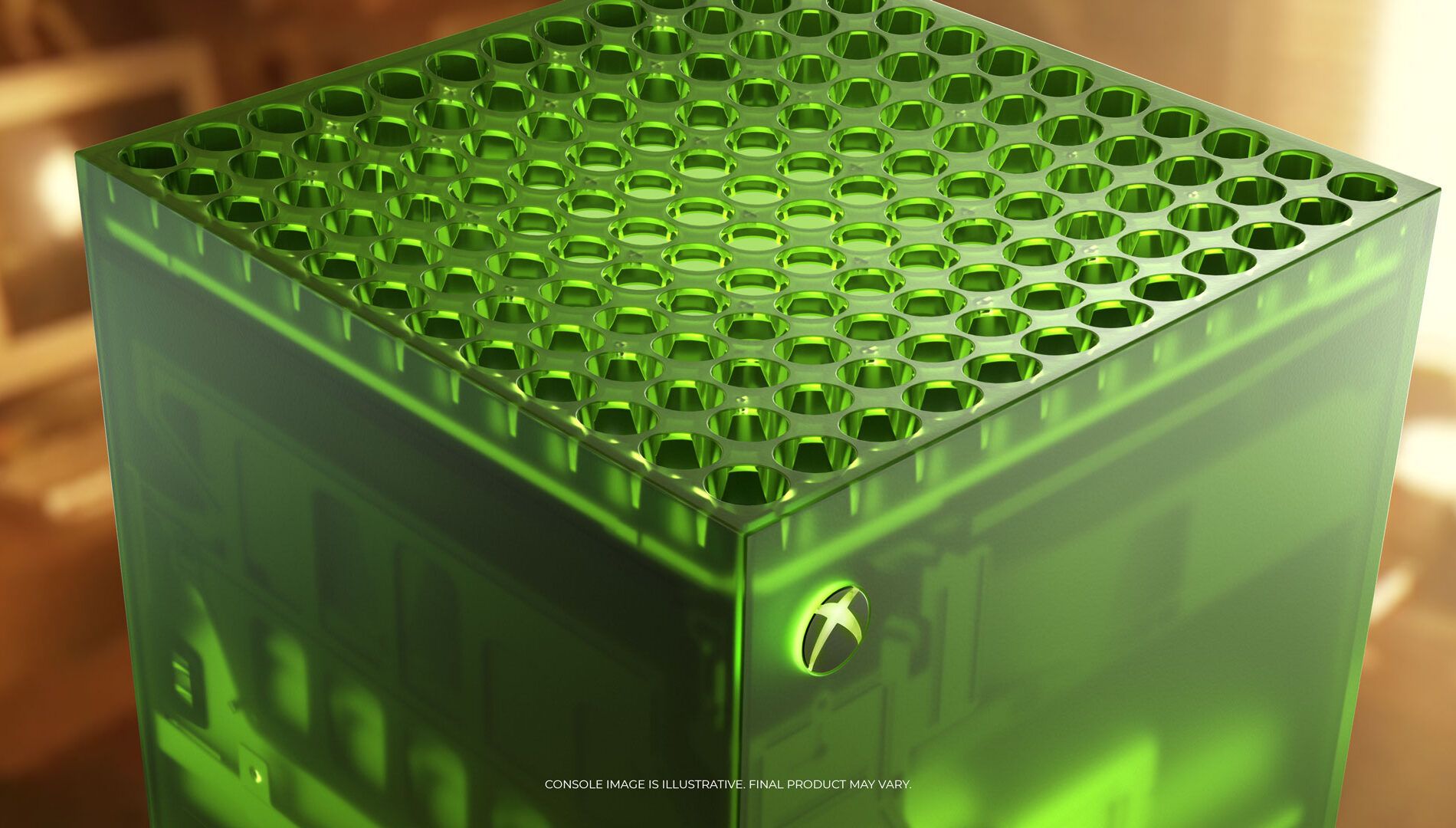
Xbox CEO Sarah Bond revealed that Microsoft's upcoming Project Helix console is facing significant challenges due to a global RAM shortage. This RAM crisis is prompting the gaming giant to reconsider traditional business models and hardware priorities amid growing industry concerns about the sustainability of high-performance console development.
The RAM Crisis Reshaping Console Development
The gaming sector is currently facing a combination of technological and economic pressures:
- DRAM prices have surged 45% since 2022 due to semiconductor supply chain disruptions.
- Next-gen consoles require 300% more memory than their predecessors for 4K ray tracing capabilities.
- Global chip manufacturing capacity remains constrained by geopolitical tensions and factory delays.
"We can't keep treating consoles like disposable tech," Bond emphasized in the video interview. "The economics simply don't work when essential components become luxury commodities."
Microsoft's Strategic Crossroads in Gaming
Bond outlined three potential pivots for Xbox's future strategy:
1. Hybrid Hardware Models
- Subscription-based console leasing programs for gamers.
- Modular designs allowing for easy component upgrades for consoles.
- Regional pricing tiers for gaming in emerging markets.
2. Cloud Gaming Integration
- Stadia-style streaming-first gaming devices.
- Hybrid local/cloud processing units for enhanced gaming performance.
- Project xCloud expansion to over 100 markets for cloud gaming.
3. Developer Partnerships
- Incentivizing cross-generation game development.
- Creating "lite" versions of AAA video game titles.
- Open-source engine optimization initiatives for better game performance.
As Microsoft prepares for the 2027 launch of Project Helix, the company faces the challenge of balancing its Xbox heritage with the realities of component shortages and evolving consumer expectations. The era of hardware arms races may be giving way to a new focus on creativity and accessibility.