
EA's Aggressive Push Into In-Game Advertising: Impact on Madden NFL, College Football Fans, and the Future of Gaming
Electronic Arts (EA) has officially launched EA Advertising, a platform designed to enhance monetization across its gaming portfolio. This initiative will result in a substantial increase in in-game advertisements within popular titles such as Madden NFL and EA Sports College Football.
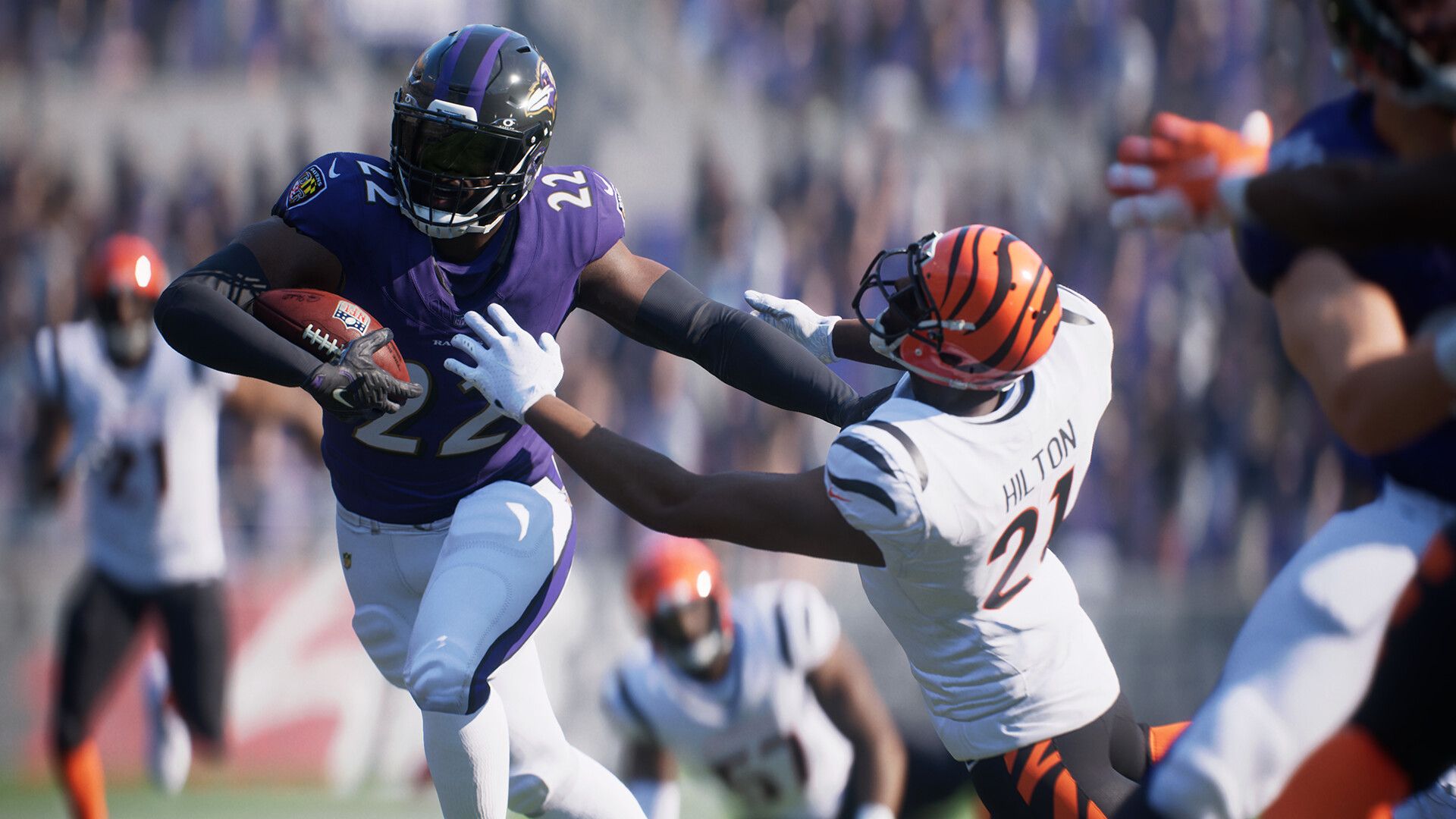
Breaking Down EA Advertising: A New Revenue Engine for In-Game Ads
EA's official release indicates that this initiative will integrate "branded content" into gameplay through virtual billboards, sponsored gear, and seamless product placements. While similar strategies have been employed in the past, such as Lowe's partnerships in EA's football games, the scale of this in-game advertising effort is unprecedented.
Key components of the EA Advertising platform include:
- Dynamic ad insertion: Real-time replacement of static billboards with targeted in-game ads.
- Virtual product placement: Branded items appearing in player environments within Madden and EA Sports College Football.
- Live-event sponsorships: Time-limited branded challenges or rewards that enhance the gaming experience.
- Virtual ads replacing stadium banners during game replays.
- Sponsored locker room equipment prominently visible during pre-game sequences.
- Branded content integrated into player celebrations or sideline interactions.
While EA claims these advertising integrations will be "contextually relevant," critics argue this risks detracting from gameplay immersion. A 2025 Game Developers Conference report found that 68% of players consider intrusive ads "a major disruption to gaming enjoyment."
Pushback and Challenges Ahead
Player Backlash and Ethical Concerns
Gaming communities have expressed skepticism regarding EA's monetization strategies. Reddit threads analyzing EA's patent filings suggest potential implementations of:
- Ad-based XP boosts requiring brand interactions, which raise concerns about player experience.
- Pay-to-remove-ad tiers, which could further exacerbate pay-to-win model controversies.
- Data tracking for hyper-targeted ad placements, igniting ethical debates within the gaming community.
Such tactics risk reigniting controversies around pay-to-win models. A 2024 University of Michigan study linked aggressive in-game advertising to increased player churn rates, particularly among core gaming demographics.
Competitive Risks
While EA leads in sports gaming, niche competitors like Ultimate Team in FIFA or independent titles may gain traction by offering "ad-free" gaming experiences. The success of Chorus (2021), which eliminated microtransactions entirely, highlights the market demand for premium, non-intrusive monetization options.
What's Next for Gamers?
EA's strategy positions it at the forefront of a monetization shift expected to shape the future of gaming. Players should anticipate:
- Clear opt-in/out controls for ad personalization, enhancing user control.
- Transparency reports detailing ad revenue reinvestment, fostering trust within the gaming community.
- Potential unionization efforts around "digital labor rights" in the gaming industry.
As the boundary between entertainment and advertising blurs, EA's experiment will serve as a case study for the gaming industry, demonstrating whether gamers will accept commercialization in exchange for continued game development and lower upfront costs.